Where Is Alwar and Why Should You Go?
Alwar is a city and district in north-eastern Rajasthan, in the Mewat and Aravalli hills region, roughly halfway between Delhi and Jaipur. It's often called the "Gateway to Rajasthan" because it's the first major Rajput town you reach when driving south from the capital.
Historically, Alwar was a princely state founded in 1770 by Rao Pratap Singh, though the region's story goes back much further — the Bala Quila fort predates the city itself, and local legend ties the area to the Matsya kingdom of the Mahabharata.
What makes Alwar special is the setting. The Aravallis wrap around the city, so you get forested hills, seasonal streams and wildlife in a state better known for desert. It's greener and cooler than most of Rajasthan, which is exactly why Delhiites have been escaping here for decades.
Best Places to Visit in Alwar
1. Bala Quila (Alwar Fort)
Perched on the Aravalli ridge about 300 metres above the city, Bala Quila is the 15th-century landmark you'll see from almost everywhere in Alwar. The fort stretches around 6 km along the ridge, with 15 large towers, 51 smaller ones, six gates, and walls that have seen Mughal, Jat and Rajput rulers come and go. Babur is said to have spent a night here; Jahangir hid here during his exile.
The drive up is a winding forest road (you'll need to register at the police check post — carry ID). The fort itself is partly ruined, which is part of the charm. Come for the panoramic views over Alwar city and the surrounding plains, especially in the late afternoon. Plan around 3 hours here.
Tip: Go early or around 4 pm. Midday is hot and the light is flat for photos.
2. City Palace (Vinay Vilas Mahal)
Built in 1793 by Raja Bakhtawar Singh, the City Palace blends Rajput and Mughal architecture — think ornate jharokhas, marble pavilions and a large central courtyard. Most of the palace now houses government offices, but the Alwar Government Museum upstairs is well worth the small ticket price. It holds a serious collection of miniature paintings, Persian and Sanskrit manuscripts, weapons, and the famous silver dining table of the Alwar maharajas. Allow 1 hour 30 minutes.
3. Moosi Maharani Ki Chhatri
Right behind the City Palace, beside a large stepped tank called Sagar, stands one of the most elegant cenotaphs in Rajasthan. Built in 1815 in memory of Raja Bakhtawar Singh and his queen Moosi, the two-storey chhatri has a red sandstone base and a white marble upper level with beautifully carved ceilings. Sunrise here, with the fort above and the tank below, is one of the best photographs you'll take in Alwar. Allow around 45 minutes.
4. Sariska Tiger Reserve
About 35 km from Alwar city, Sariska is the district's biggest draw for nature lovers. The reserve covers around 880 sq km of dry deciduous forest, rocky ridges and grassland — classic Aravalli terrain. Budget at least 6 hours for the safari and travel.
Sariska made history as the first reserve in the world where tigers were successfully reintroduced after being wiped out by poaching in the early 2000s. Today the population is small but recovering, and sightings do happen, though they're never guaranteed. What you will see: leopards (with luck), sambar, nilgai, chital, wild boar, striped hyena, and plenty of birds including crested serpent eagles and grey partridge.
Inside the reserve you can also visit the Pandupol Hanuman Temple (linked to the Pandavas of the Mahabharata) and the ruins of Kankwari Fort, where Aurangzeb imprisoned his brother Dara Shikoh.
Safari details: Jeep and canter safaris run morning and evening, typically October to June. Book through the Rajasthan Forest Department's online portal in advance, especially for weekends. For the best chance of sightings, aim for November to February.
5. Siliserh Lake and Palace
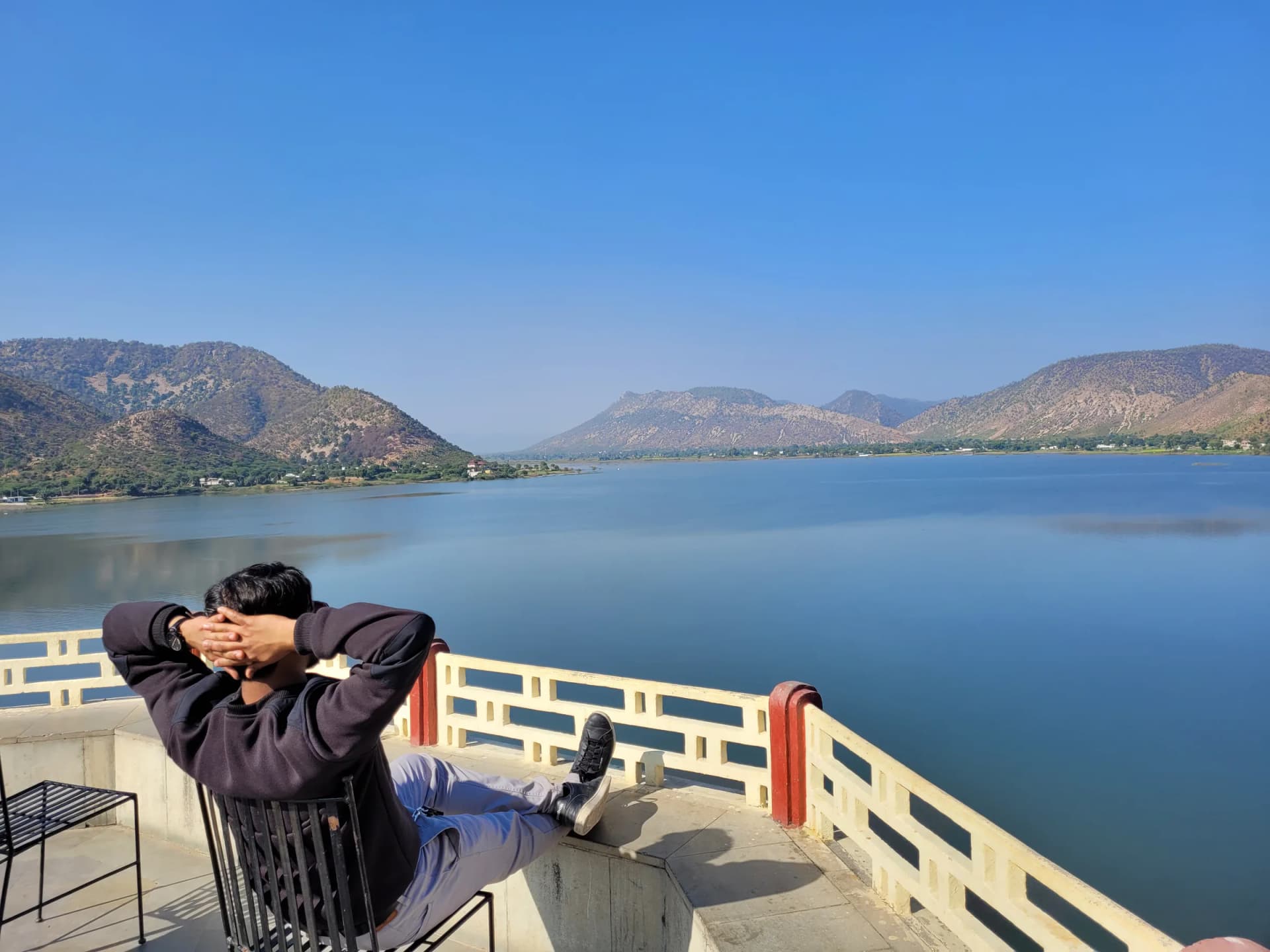
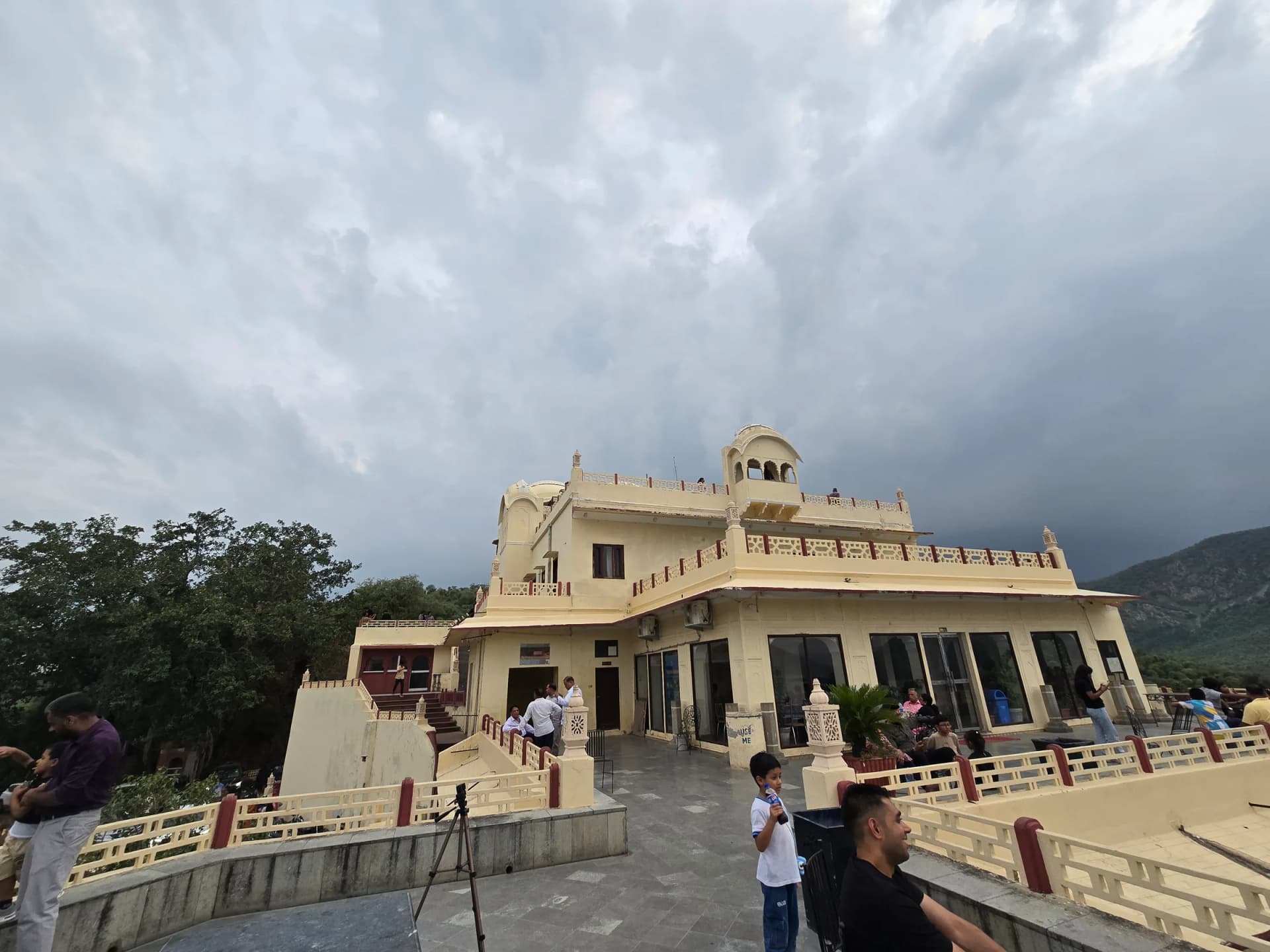
Around 13 km southwest of the city, Siliserh is Alwar's postcard spot — a 7 sq km reservoir set in the Aravalli hills. Maharaja Vinay Singh built the lake in 1845 by damming a stream, and added a royal hunting lodge on the shore for his queen Shila. That lodge is now the Lake Palace Hotel run by RTDC, so you can eat lunch on the terrace overlooking the water.
Boating is available, the surrounding hills are dotted with old chhatris, and it's a favourite picnic spot for local families — meaning weekends get busy. Weekday mornings are blissfully calm. Allow 1 hour 30 minutes.
6. Bhangarh Fort
Technically in Alwar district (about 85 km from the city, towards Jaipur), Bhangarh is famous as "India's most haunted place." The Archaeological Survey of India officially bars entry between sunset and sunrise, which has only added to the legend.
Ghost stories aside, Bhangarh is a beautiful and surprisingly large 17th-century ruined town — temples, havelis, a bazaar street and a palace, all set against a hill. It's noticeably quieter on weekdays. Go for the history and the atmosphere; the legends are a bonus.
7. Neelkanth Mahadev Temple
Deep inside the Sariska landscape, this cluster of 6th–9th century temples is one of Rajasthan's underrated archaeological treasures. The main Shiva temple has intricate carvings comparable to Khajuraho, and the surrounding ruins scatter across a forested plateau. The road is rough and the site remote — hire a local driver who knows the way.
8. Neemrana Fort Palace
On the Delhi–Jaipur highway, about 70 km from Alwar city, Neemrana is a 15th-century fort turned heritage hotel. Even if you're not staying, the ziplining experience over the fort and hills is popular, and the tiered palace architecture is spectacular.
9. Kesroli Hill Fort
About 12 km from Alwar, Kesroli is a 14th-century fort perched on a rocky outcrop, now run as a heritage hotel by Neemrana Hotels. It's smaller and more intimate than Neemrana, with sweeping views over mustard fields and Aravalli ridges in winter. A great base if you want to stay somewhere with character.
10. Local Markets and Bazaars
Alwar's old city — around Hope Circus and Bajaja Bazaar — is where you'll find the real texture of the town. Wander for brassware, colourful bangles, embroidered fabrics, and of course, sweet shops.
11. Sagar Lake
The stepped tank behind the City Palace, framed by the Moosi Maharani cenotaphs and the ridge of Bala Quila above. Quiet, photogenic, and pairs naturally with the palace visit.
What to Eat in Alwar
You cannot leave Alwar without trying Alwar ka Mawa (also called Alwar milk cake or kalakand). This dense, caramelised milk sweet is Alwar's most famous export, and the best versions come from the old shops around Hope Circus. It travels well, so buy a box for home.
Beyond mawa, look for:
Dal baati churma — the Rajasthani classic, done well in local dhabas
Kachori with spicy aloo sabzi for breakfast
Ker sangri and other desert vegetables in traditional thalis
Rabri and jalebi from street stalls in the evening
How to Reach Alwar
From Delhi: The most common route. Alwar is 160 km from Delhi NCR — about 4 hours by road on NH48 (Delhi–Jaipur highway), turning off near Shahjahanpur/Behror. Several trains run daily from Delhi to Alwar Junction, including the Shatabdi. This makes Alwar one of the easiest weekend getaways from Delhi and Gurugram, and it's an especially rewarding ride if you're on a motorcycle.
From Jaipur: Roughly 150 km, about 3 hours by road or a similar time by train.
By air: The nearest major airport is Delhi (IGI), about 160 km away. Jaipur airport is around 150 km.
Getting around: Auto-rickshaws work within the city, but for Sariska, Siliserh, Bhangarh and Neelkanth you'll want a hired car or taxi for the day.
Best Time to Visit Alwar
October to March is the ideal window. Days are pleasant, Sariska is open, and the hills are at their greenest right after the monsoon. For Sariska safaris and crisp fort mornings, aim for November to February. In-season temperatures range from about 6°C on winter mornings to 44°C in the shoulder heat — winter mornings can be genuinely chilly, so pack a jacket.
Monsoon (July–September) transforms the Aravallis into lush green and fills the seasonal streams, but Sariska's core zone usually closes and roads to remote temples can be difficult.
Summer (April–June) is hot, often above 40°C. Sariska is open and wildlife sightings actually improve as animals gather near waterholes, but you'll need to be committed.
Suggested 1–2 Day Alwar Itinerary
Most travellers spend 1–2 days in Alwar, and that's enough to cover the highlights comfortably.
Day 1 – The City
Morning: Moosi Maharani ki Chhatri and City Palace Museum
Late morning: Old city bazaar walk, mawa shopping at Hope Circus
Afternoon: Drive up to Bala Quila for sunset views
Evening: Dinner at a local Rajasthani thali restaurant
Day 2 – Nature and Ruins
Early morning: Sariska jeep safari (book in advance)
Late morning: Pandupol Temple inside the reserve
Afternoon: Lunch at Siliserh Lake Palace, boating
Evening: Return to Alwar or drive on to Jaipur/Delhi
Got a third day? Do a Bhangarh and Neelkanth loop — both are in the same general direction and can be combined with a stay at Kesroli or a Sariska-side resort.
Alwar Trip Budget
A typical Alwar trip works out to around ₹6,000 per person (excluding long-distance flights or trains). Broader budgets range from about ₹3,000 to ₹20,000 per person depending on your choice of stay, safari zones, and dining. Sariska jeep safaris, fuel and entry fees are the main variable costs.
Where to Stay in Alwar
Heritage: Kesroli Hill Fort, Neemrana Fort Palace
Nature-side: Resorts along the Sariska road (several mid-range and luxury options)
Budget and mid-range: Hotels around the railway station and Hope Circus in Alwar city
Lakeside: RTDC Lake Palace at Siliserh (basic, but the location is unbeatable)
Practical Tips for Visiting Alwar
Carry cash — smaller shops and safari gate fees may not accept cards.
Book Sariska safaris online before you travel; weekend slots fill quickly.
Dress modestly at temples, and remove shoes before entering.
Bhangarh has no facilities inside — carry water and snacks.
Mobile network is patchy inside Sariska and around Neelkanth.
Winter fog on the Delhi highway can delay early morning drives; leave with buffer time.
Alwar scores well on bike suitability (9/10) and accessibility (9/10) — a genuinely easy weekend to plan.
Frequently Asked Questions About Alwar
What is the best time to visit Alwar?
The best months to visit Alwar are October, November, December, January, February and March. For Sariska safaris and cool fort mornings, aim for November to February.
How many days do you need in Alwar?
Most travellers spend 1–2 days in Alwar to cover the main highlights. Add a third day if you want to include Bhangarh and Neelkanth.
What is the estimated budget for Alwar?
A typical trip costs around ₹6,000 per person, with broader budgets ranging from ₹3,000 to ₹20,000 per person depending on stay and activities. This excludes long-distance flights or trains.
How do you reach Alwar from Delhi?
Alwar is 160 km from Delhi NCR — roughly 4 hours by road on NH48, or under 3 hours by train (including the Shatabdi to Alwar Junction).
What is Alwar famous for?
Alwar is famous for Bala Quila fort, Sariska Tiger Reserve, Siliserh Lake, Bhangarh Fort, and its signature sweet, Alwar ka Mawa (milk cake).
Is Alwar worth visiting?
Yes, especially as a weekend trip from Delhi or Jaipur. It combines history, wildlife and scenery with far fewer crowds than Rajasthan's bigger cities, and it scores 74/100 on the HarshOnRoads destination score.
Is Sariska better than Ranthambore?
Ranthambore has more reliable tiger sightings. Sariska is closer to Delhi, less crowded, and offers historical sites inside the reserve. If tigers are the sole goal, choose Ranthambore; for a mixed trip, Sariska is excellent.
Can you visit Bhangarh Fort at night?
No. The ASI prohibits entry between sunset and sunrise.
What is Alwar's famous sweet?
Alwar ka Mawa, a dense milk-based sweet also known as kalakand or milk cake.
Final Thoughts
Alwar rewards travellers who like their history a little rough around the edges and their landscapes a little wild. It won't dazzle you with polished palaces the way Jaipur does, but stand on the ramparts of Bala Quila as the sun drops behind the Aravallis, or watch a sambar step out of the Sariska forest at dawn, and you'll understand why people keep coming back. Go before everyone else discovers it.

 Lake
Lake